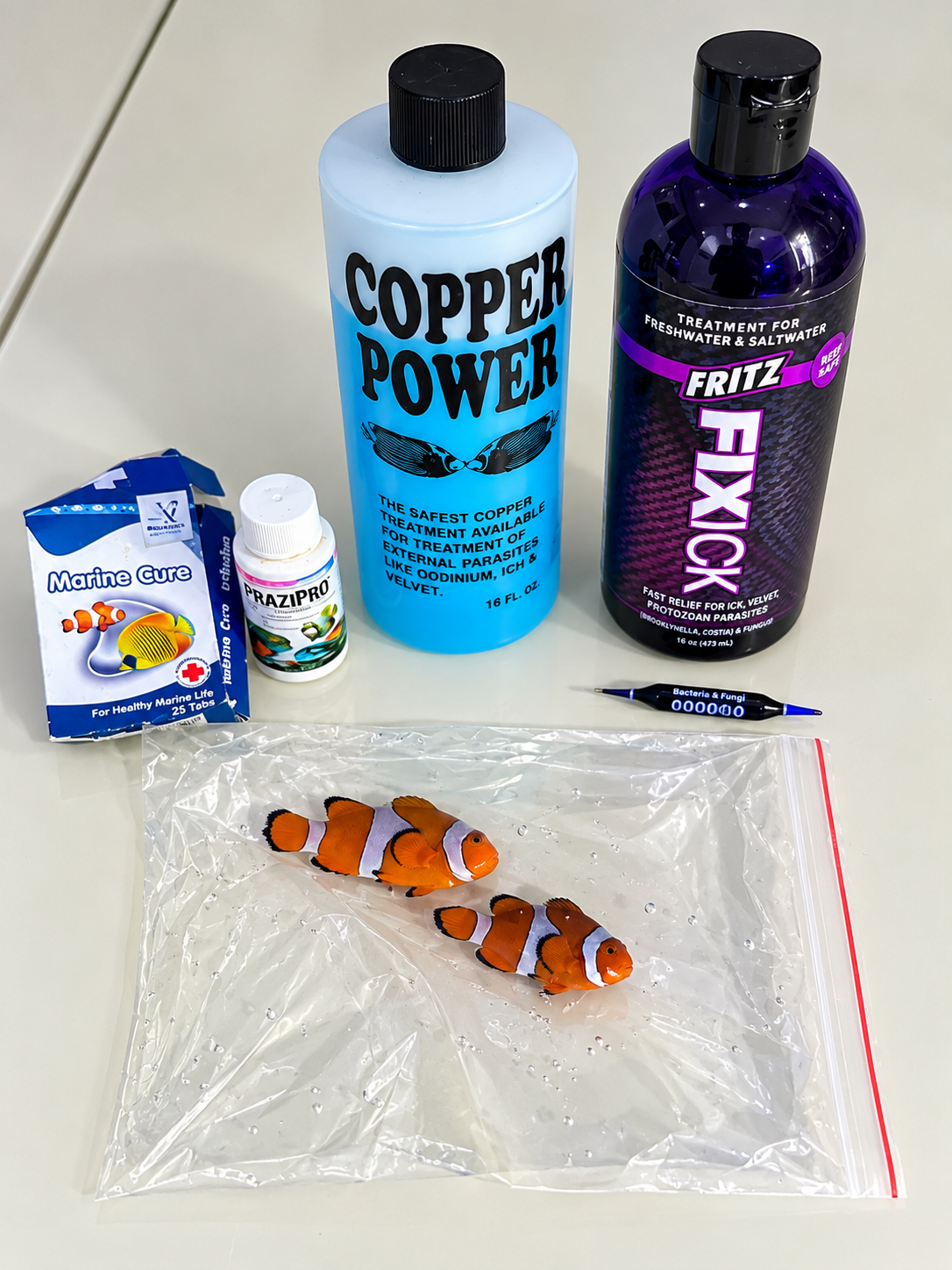
Copper, PraziPro, Ich treatments, and bacterial medications — yet not every battle can be won. The important lesson is not that all medication fails. It is that different diseases and different stages of a parasite require different approaches.
What is Marine Ich?
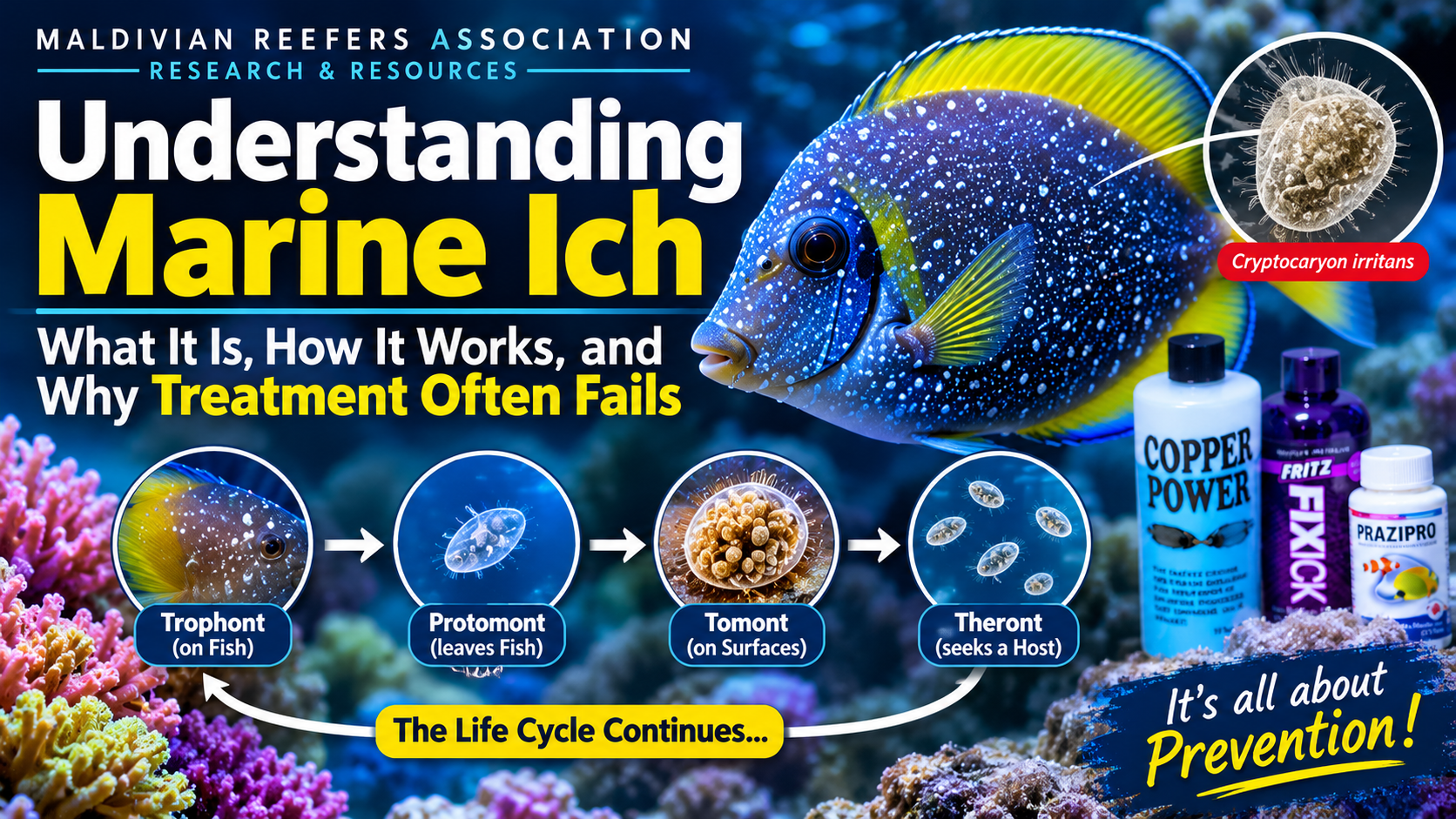
Marine Ich, or marine white spot disease, is caused by the parasitic ciliate Cryptocaryon irritans. It affects marine fish skin and gills. White spots may be visible, but gill infections can cause rapid breathing even without obvious spots.
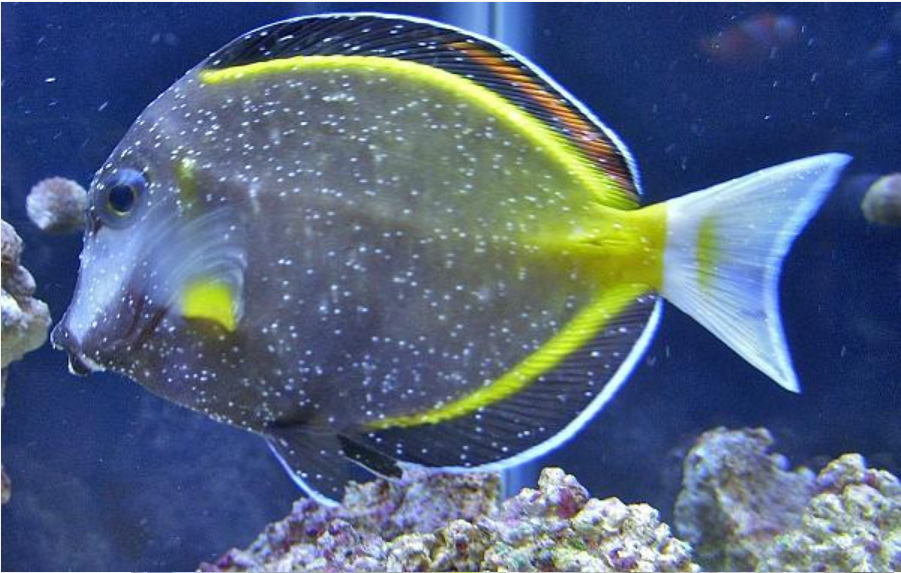
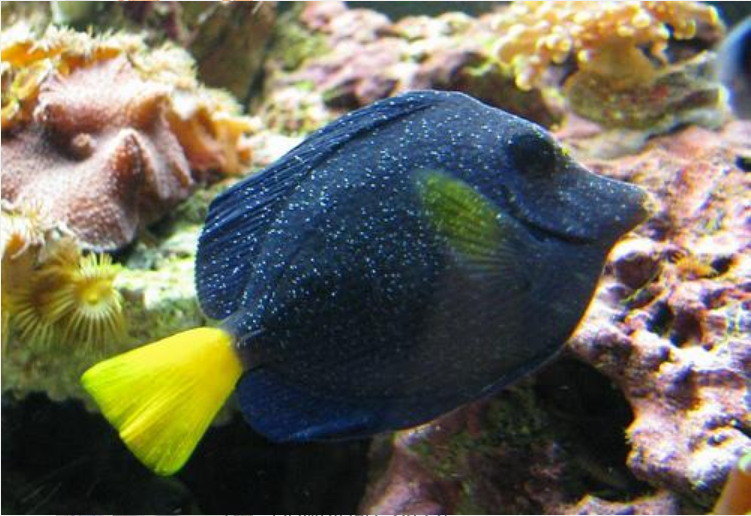
How Marine Ich works: the four-stage life cycle
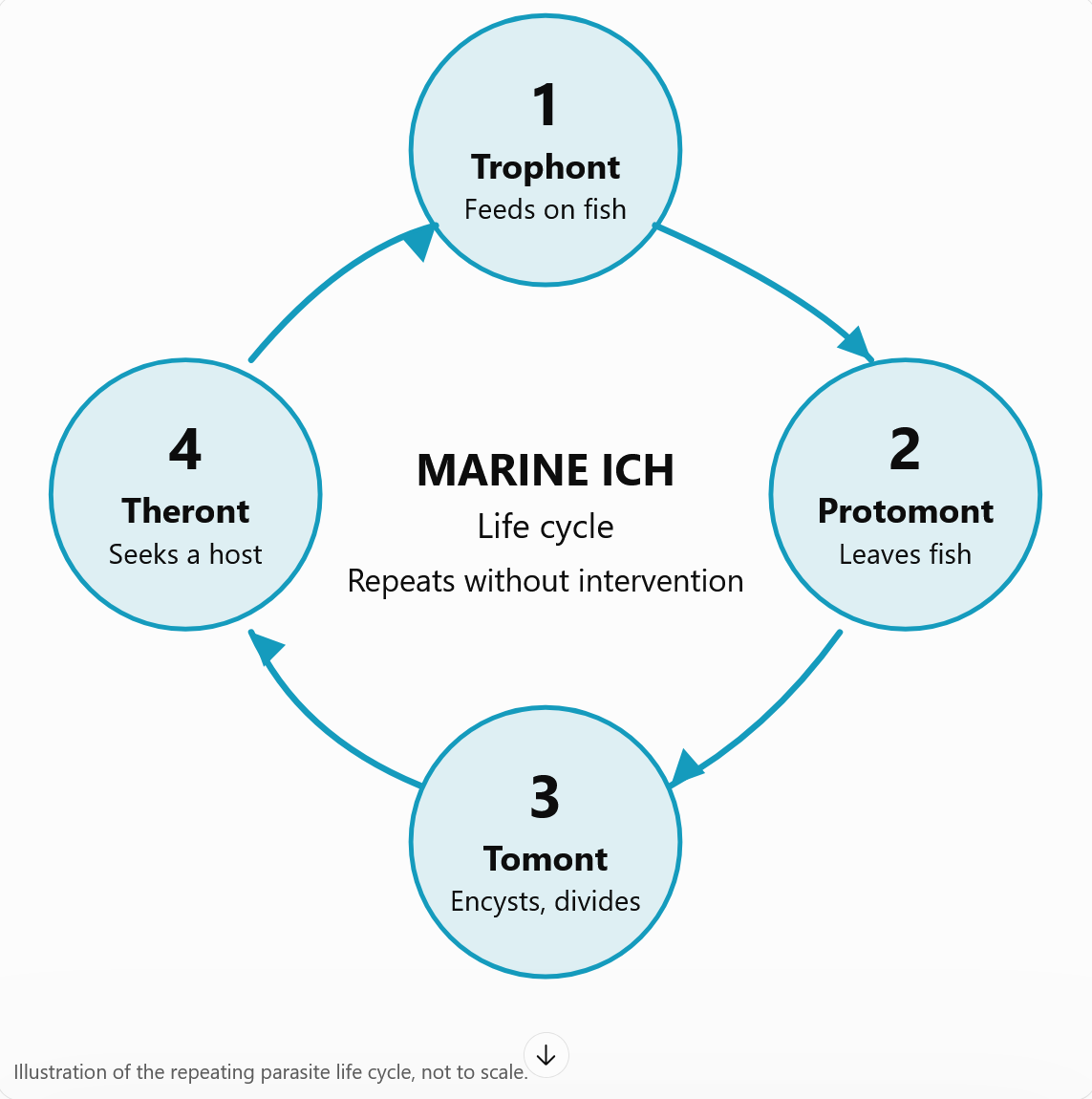
The parasite alternates between a fish-associated feeding stage and environmental stages. Understanding this cycle explains why spots may disappear while the infection continues.
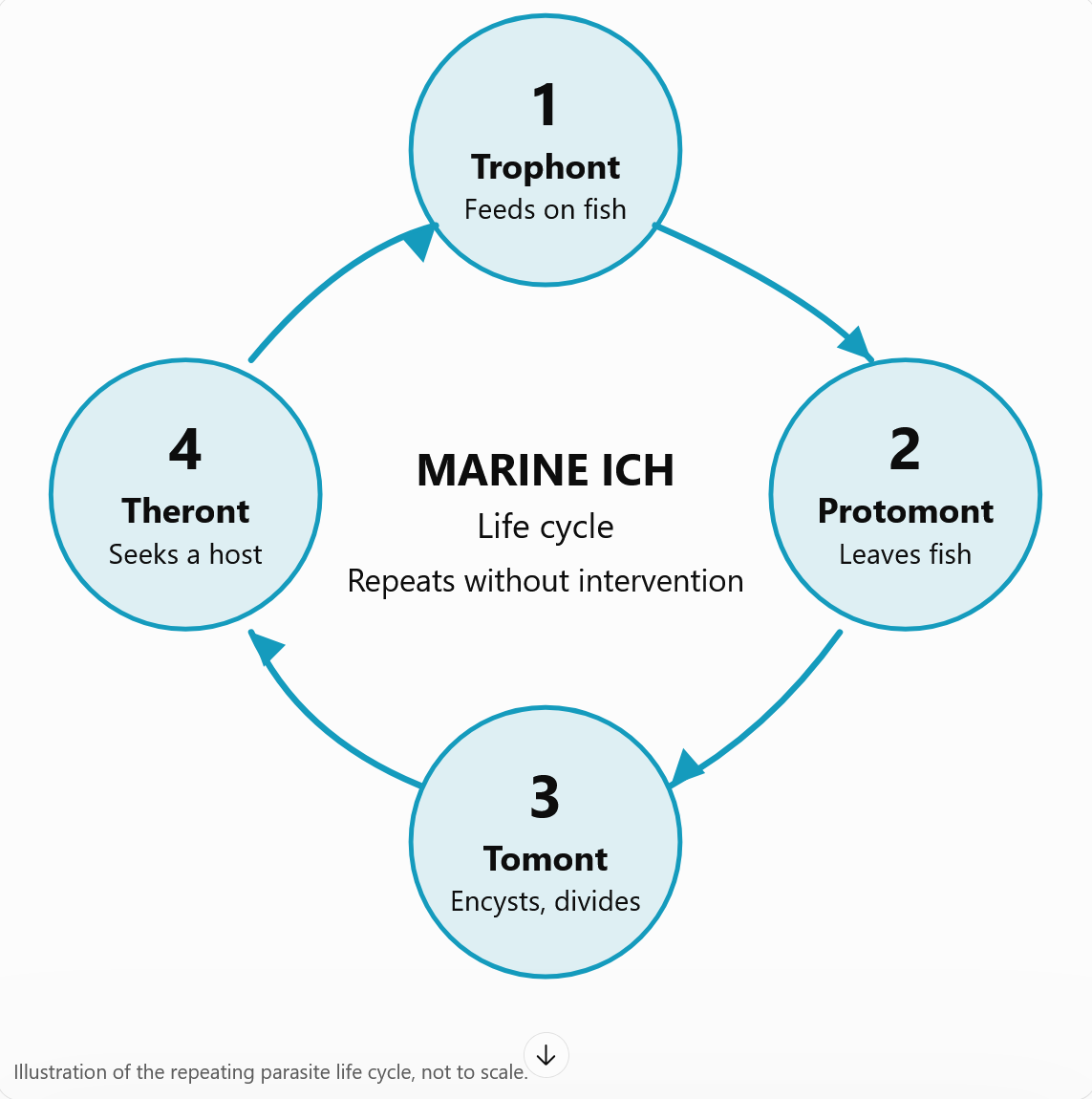
1. Trophont — feeding on the fish
The parasite feeds beneath the outer tissue surface of the skin or gills. This location protects it from many waterborne treatments.
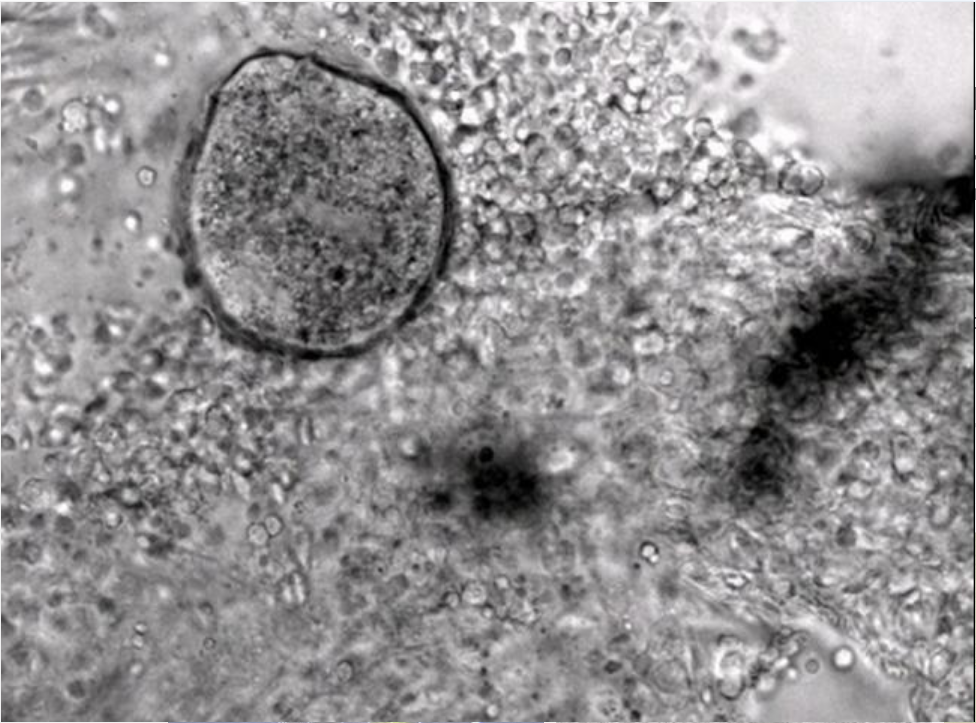
2. Protomont — leaving the fish
The mature parasite detaches and moves through the water to settle on a surface. White spots may disappear at this point without the aquarium becoming parasite-free.
3. Tomont — reproduction
The parasite encysts on surfaces, including aquarium equipment, rock and substrate. Within the protective cyst it divides to produce many offspring.
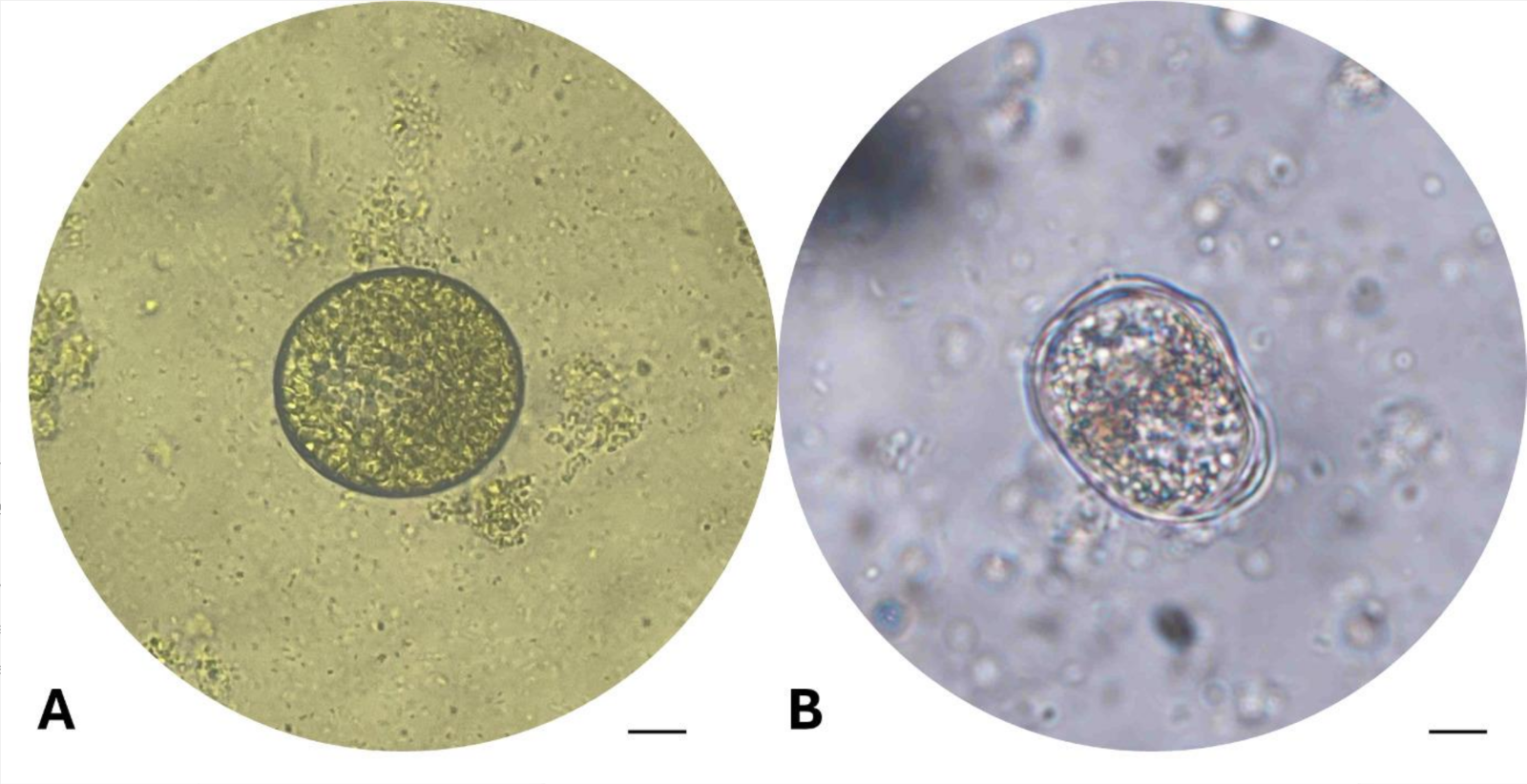
4. Theront — searching for a host
Infective free-swimming theronts emerge and seek fish. This stage is especially vulnerable to appropriately maintained therapeutic copper concentrations.
Why treatment often fails
A wrong diagnosis, inadequate medication concentration, incomplete treatment, and the parasite's protected stages can all contribute to failure. Adding multiple medications without understanding their purposes may increase stress or create unsafe combinations.
Approach | What to know |
|---|---|
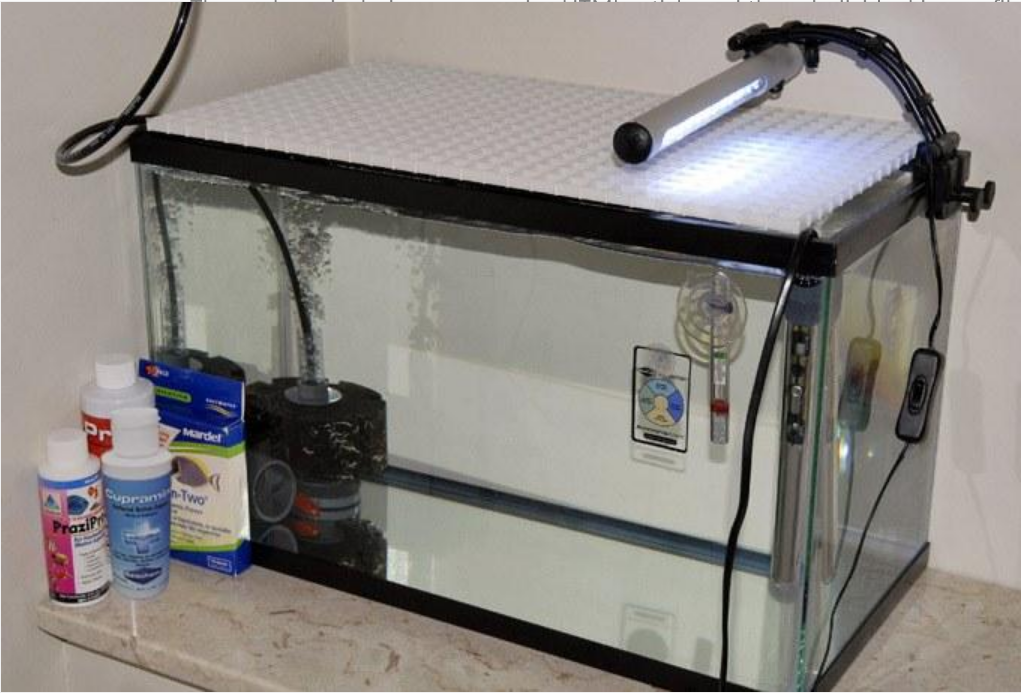
Copper Power | An established Ich treatment in a separate hospital tank. Follow the product-specific protocol and measure with a compatible copper test kit. |
PraziPro / praziquantel | Targets certain flukes and worms, not Marine Ich. |
Antibacterial or antifungal medication | May be appropriate for diagnosed bacterial or fungal conditions, but does not eliminate Cryptocaryon. |
Freshwater dip | May temporarily relieve some external parasites; does not reliably eradicate Ich and can stress fish. |
UV sterilization | Can reduce organisms that pass through it at a sufficient dose. It cannot reach parasites in fish tissues or cysts. |
Selcon and good nutrition | Support general fish condition, but are not Ich cures. |
Not every sick clownfish has Ich
Rapid breathing, loss of appetite, excess mucus or peeling skin can also indicate Brooklynella, marine velvet (Amyloodinium ocellatum), bacterial disease, or a water-quality emergency. These problems need different responses. A wet-mount examination by a qualified fish-health professional can help distinguish them.
Can UV stop the life cycle?
UV can help reduce the number of susceptible free-swimming parasites passing through the sterilizer, but it cannot reliably interrupt all transmission in a display tank. Flow, lamp condition, UV dose and the proportion of water processed all matter. UV is a supplement, not a guaranteed cure.
Prevention is better than treatment
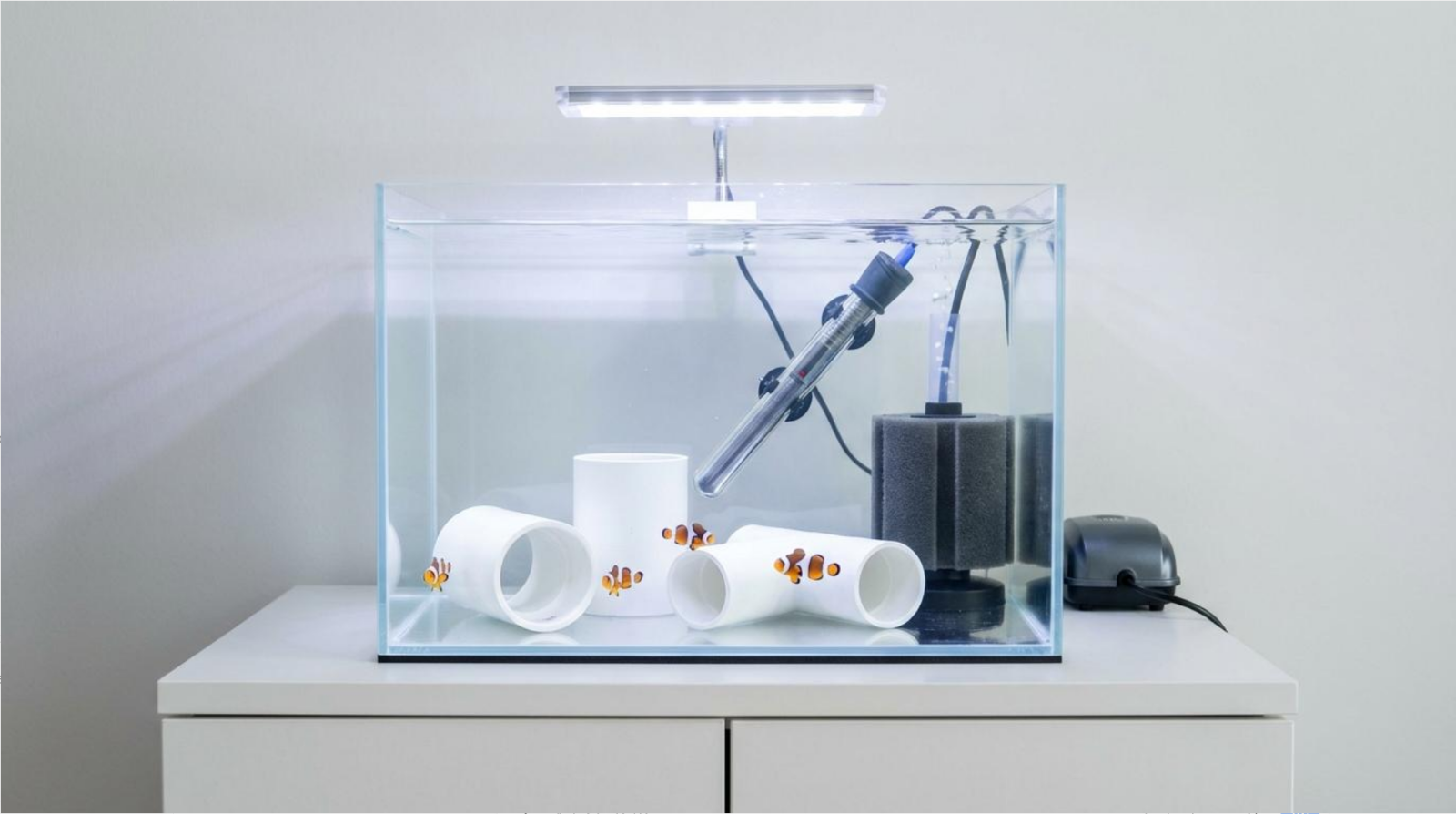
Quarantine new arrivals in a suitable separate system. Observe feeding, respiration, skin and behavior; keep water parameters stable; and select treatment based on evidence rather than guesswork. When Ich is confirmed in a reef display, eradication generally involves treating all fish separately and leaving the display without fish for an appropriately long period. A conservative fishless protocol commonly uses 76 days, although the exact duration depends on conditions and the protocol.
Never use copper in a reef display containing corals or sensitive invertebrates.
Conclusion
Marine Ich is not just a white-spot problem. It is a repeating parasitic life cycle. The disappearance of spots is not proof of a cure, and possessing many medications is no substitute for an accurate diagnosis and a complete treatment plan.
It is all about prevention.
Educational content published on behalf of Maldivian Reefers. This article does not replace aquatic veterinary care. The accompanying photograph does not establish the diagnosis or cause of the fish losses.